

Description
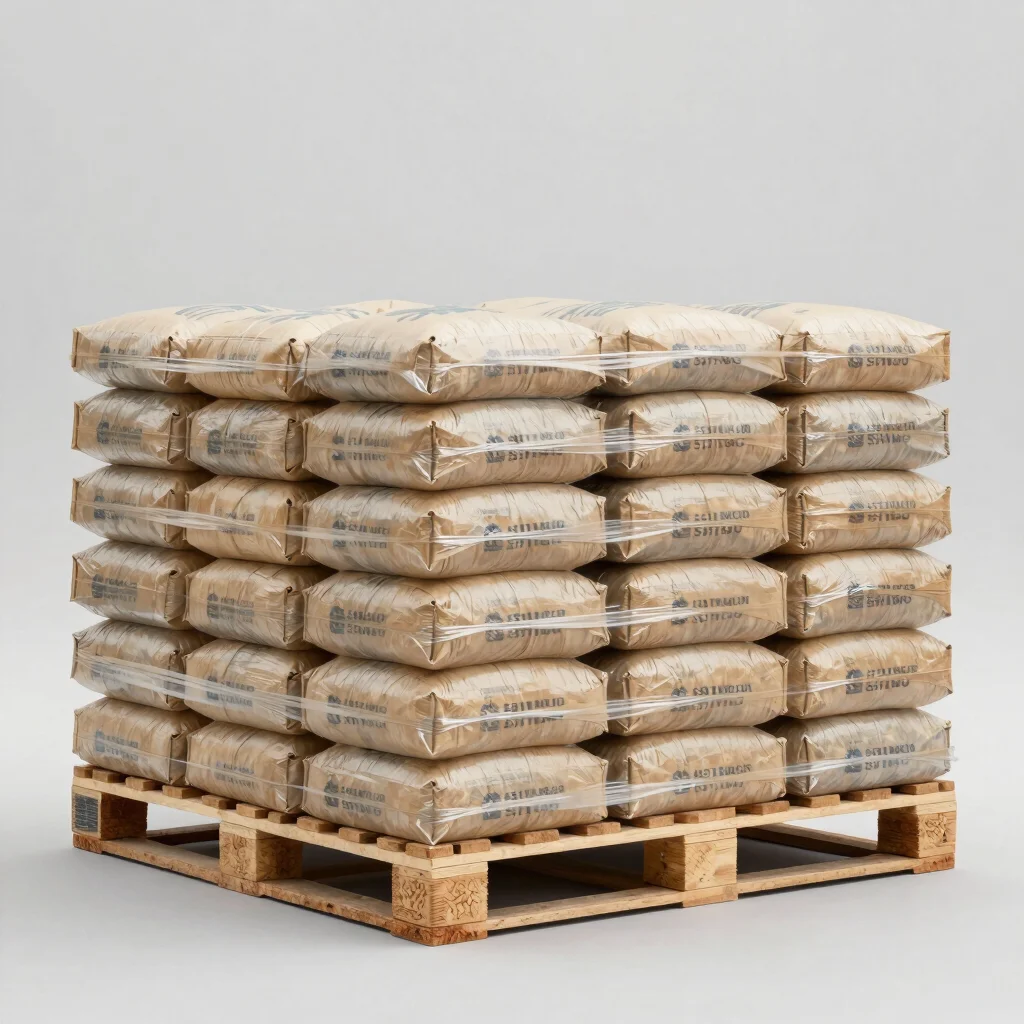
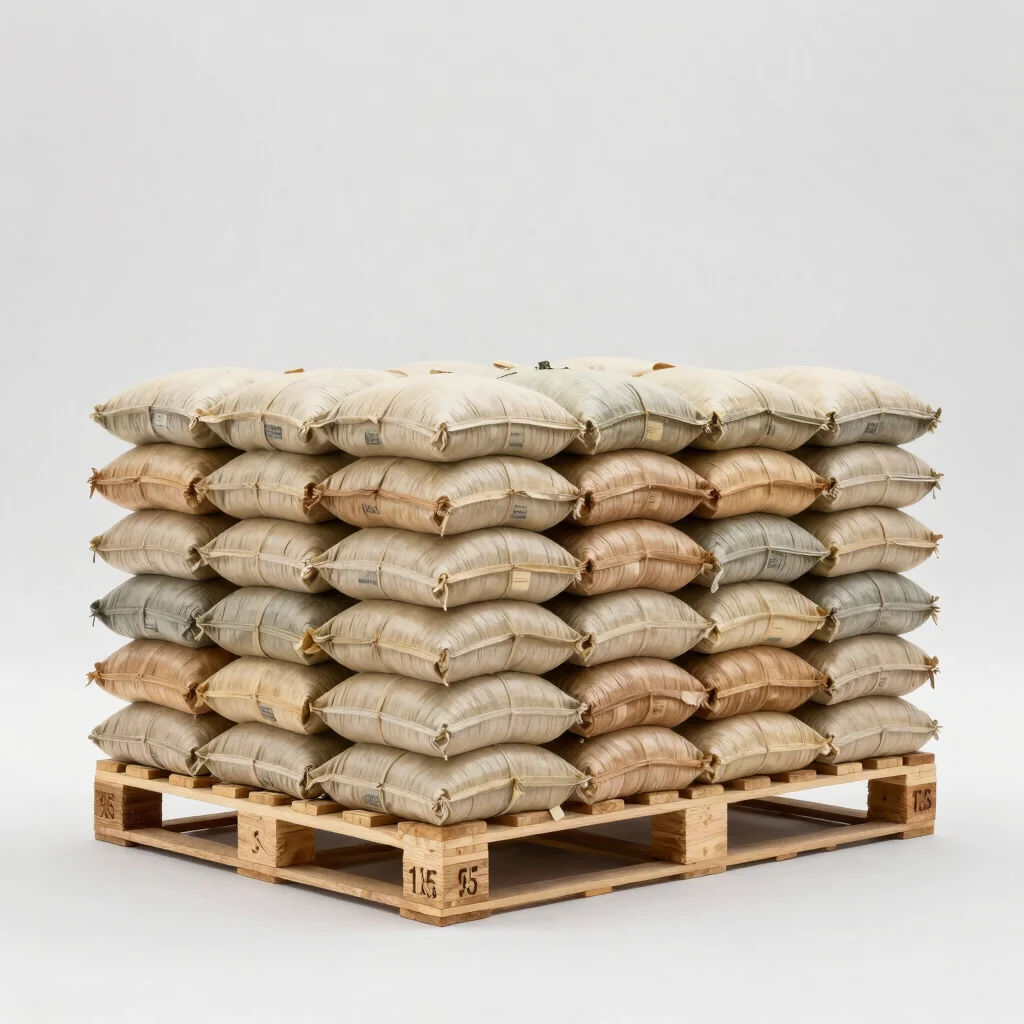
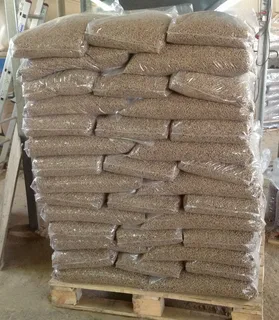
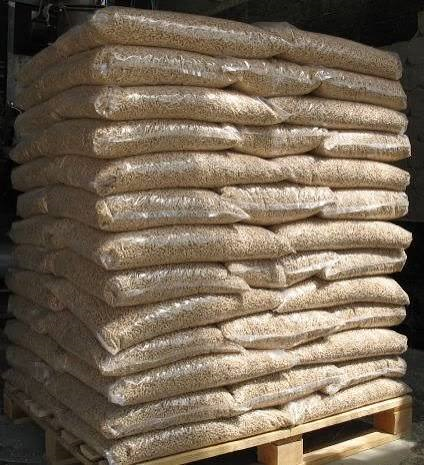
This listing is for one pallet of softwood heating pellets, roughly a tonne of fuel packed in 15 kg bags. The pellets are pressed from pine and spruce fibre, cut to a standard 6 mm diameter, and they suit most domestic pellet stoves and smaller boilers. If you heat a home with pellets through the winter, one pallet is a sensible amount to have on hand.
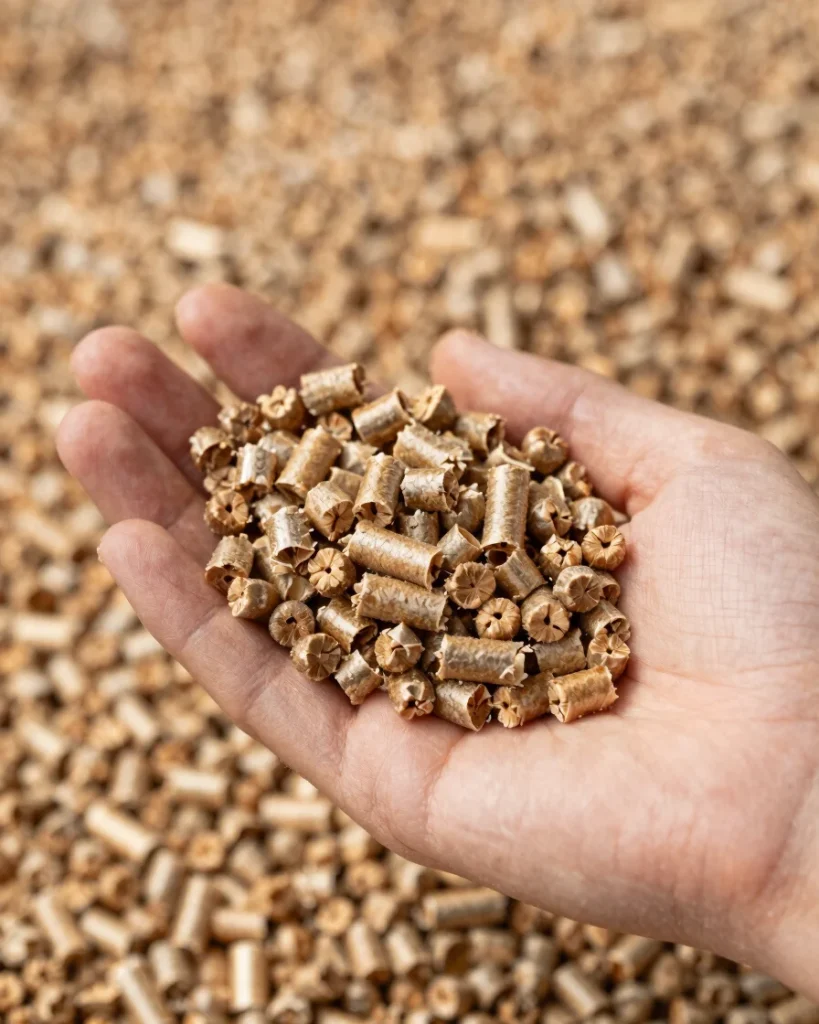
We sell to households and small businesses in many countries, and the questions are usually the same ones. Will they fit my stove? How long does a tonne last? Where do I put the pallet? The answers are below, in plain terms.
On this page
What you get on the pallet
| Product | Softwood heating pellets |
| Wood | Pine and spruce |
| Pellet diameter | 6 mm |
| Quantity | About 1 tonne (1,000 kg) |
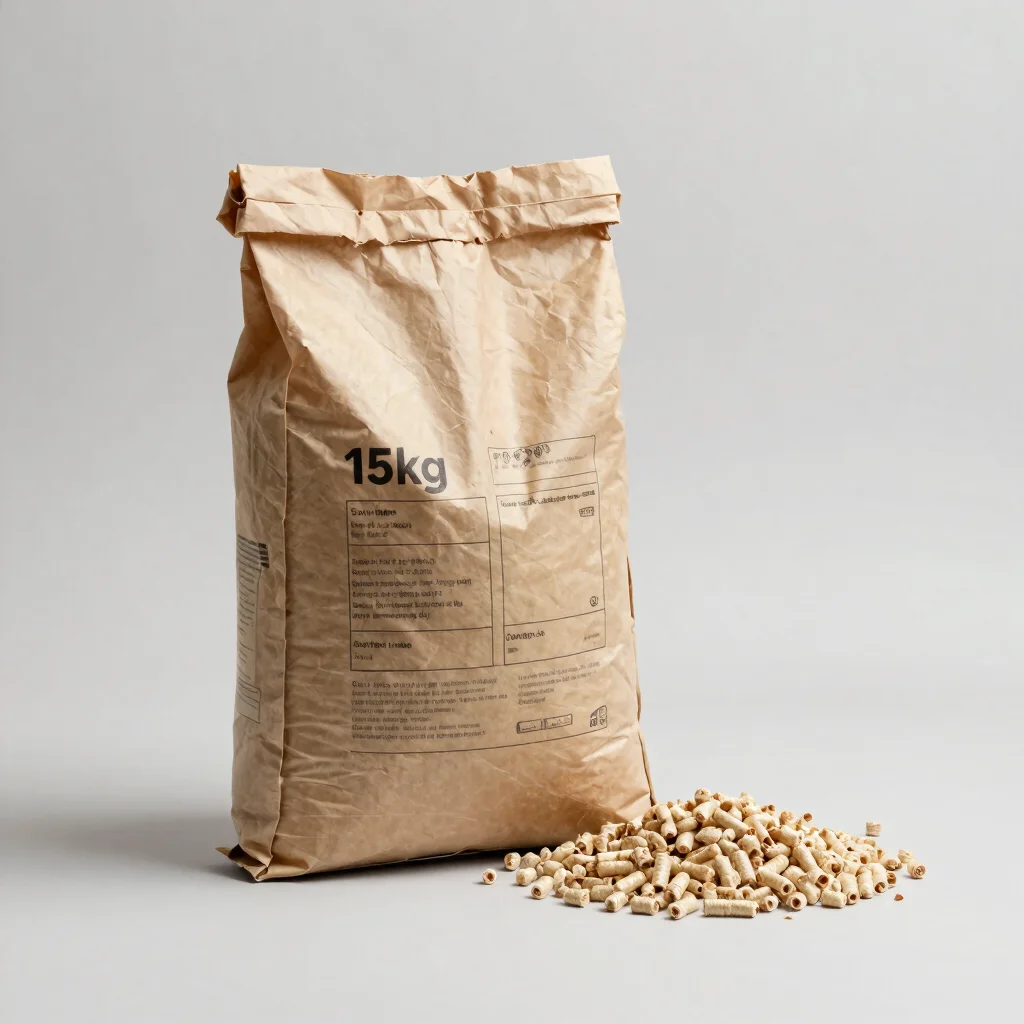
| Packing | 15 kg bags, stacked and wrapped on one pallet |
| Use | Pellet stoves, pellet boilers, multi-fuel appliances that take pellets |
| SKU | SW-HEAT-1T |
The exact bag count depends on how the pallet is built, but expect somewhere around 65 bags. Each bag is light enough for one person to carry to the hopper.
How softwood heating pellets burn
Softwood lights fast. Pine and spruce contain natural resins and lignin, and once the igniter in your stove gets going the flame picks up quickly. That makes softwood heating pellets a good match for stoves that cycle on and off through the day, or for anyone who wants a room warm soon after switching on.
The flame is bright and the burn is clean when the fuel is dry. Ash is low, so the burn pot and ash pan need less attention between cleans. You’ll still need to clean them; every pellet leaves something behind. But a low-ash fuel stretches the gap.
Softwood is lighter than hardwood, so a bag of softwood heating pellets can burn through a little quicker on a high setting. Some people prefer that responsive heat for a living room stove. Others with a boiler running long cycles lean towards our hardwood heating pellets. If you can’t decide, the mixed pellet pallet gives you both in one delivery.
Which stoves and boilers they suit
Six millimetres is the most common pellet size for home appliances, and it feeds well through standard hoppers and augers. Before you order, check your stove manual for two things:
- The pellet diameter it accepts. Most domestic stoves take 6 mm. Some larger boilers are set up for 8 mm.
- Any fuel quality grade it asks for. Many manufacturers ask for pellets that meet a recognised standard such as ENplus, which sets limits for moisture, ash and durability.
For reference, the ENplus A1 grade allows no more than 10% moisture and 0.7% ash. If your warranty depends on a particular grade, email us before you buy and we’ll tell you what the current batch of softwood heating pellets is rated at. We’d rather answer the question first than have a pallet sitting in your drive that your installer won’t approve.
Please don’t use these in a pellet grill or smoker. They’re made as heating fuel. For cooking, look at our hardwood BBQ pellets.
How much heat is in a tonne?
Good wood pellets carry roughly 4.6 to 5 kWh of energy per kilogram. A tonne of softwood heating pellets therefore holds somewhere near 4,600 to 5,000 kWh. A common rule of thumb is that about two tonnes of pellets replace a thousand litres of heating oil. You can read more about pellets as a fuel on the wood pellet page.
How long the pallet lasts comes down to your appliance, the size of the space and the weather. A room stove on a cold evening might use one to two kilograms an hour. A whole-house boiler in midwinter uses a lot more. If you know last year’s usage, you’ll know whether one pallet or several makes sense. Bigger users often move to a truckload of bulk softwood pellets, which works out simpler than reordering every few weeks.
Storing softwood heating pellets
Moisture is what ruins pellets. Wet pellets swell, crumble back into sawdust and jam the auger. Keep the pallet:
- Under a roof, in a garage, shed or dry outbuilding
- Off bare concrete, on the pallet it arrived on or on boards
- Away from walls that get damp, with some air moving around it
- Wrapped until you need it, opening one bag at a time
We hold stock in a dry, humidity-controlled warehouse and wrap every pallet before dispatch, so the softwood heating pellets reach you in the condition they left the line. Store them well and they’ll keep through the season.
A quick quality check if you’re ever unsure: drop a few pellets in a glass of water. Good pellets are dense enough to sink, then swell slowly. Pellets that float, or fall apart at once, are worth asking questions about.
Ordering and delivery
Add the pallet to your basket and check out. We then check the order, confirm the quantity and the delivery cost for your address, prepare the pallet from dry storage and send it by road. We deliver to customers worldwide, and freight depends on where you are and how many pallets you take.
Tell us about access when you order. A pallet is heavy, and the driver needs a firm, level place to set it down. If the road to your house is narrow or the drive is steep, say so in the order notes or contact us first. You can read how we handle stock on our about page.
Questions about softwood heating pellets
Are softwood heating pellets better than hardwood?
Neither is better across the board. Softwood heating pellets light faster and tend to leave little ash. Hardwood pellets are denser and many people like them for long, steady burns. The softwood pellets guide goes through the differences in more detail.
Can I buy less than a pallet?
This listing is sold by the pallet. If you want to try two types before committing, the mixed pallet is the closest thing to a sample.
Do the bags come with a quality sheet?
Ask us. We can tell you the grade of the current batch before you order.
Can I order several pallets at once?
Yes. Change the quantity in the basket. For very large orders, the truckload listings are a better fit. To work out how many you need, see our guide to buying a pallet of pellets. All our pellet options are in the softwood pellets category and the main shop.

Reviews
There are no reviews yet.